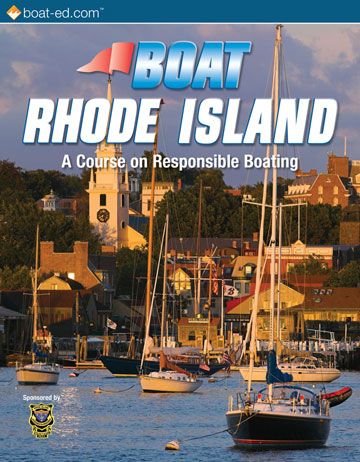
The Handbook of Rhode Island Boating Laws and Responsibilities
The Handbook of Rhode Island Boating Laws and Responsibilities is the official boating handbook developed for the Rhode Island Department of Environmental Management/Environmental Police. The handbook introduces you to Rhode Island laws governing boating and provides general information about safe vessel operation.
Use this handbook to familiarize yourself with steps to make all your boating outings safe and enjoyable. Remember, safety on Rhode Island waterways is the responsibility of all boaters.
Topics include:
- Vessel Basics
- Navigation Rules
- Nighttime Navigation
- Emergencies
- Personal Watercraft (PWC)
- Boating Laws and Regulations
- Required Equipment
- Skiing
- And much more…
Free Version
This Rhode Island boating handbook is also available in a free PDF version.



We’re people, not robots.
Visit our Boat Ed help center for frequently asked questions, troubleshooting, or for further customer support!
